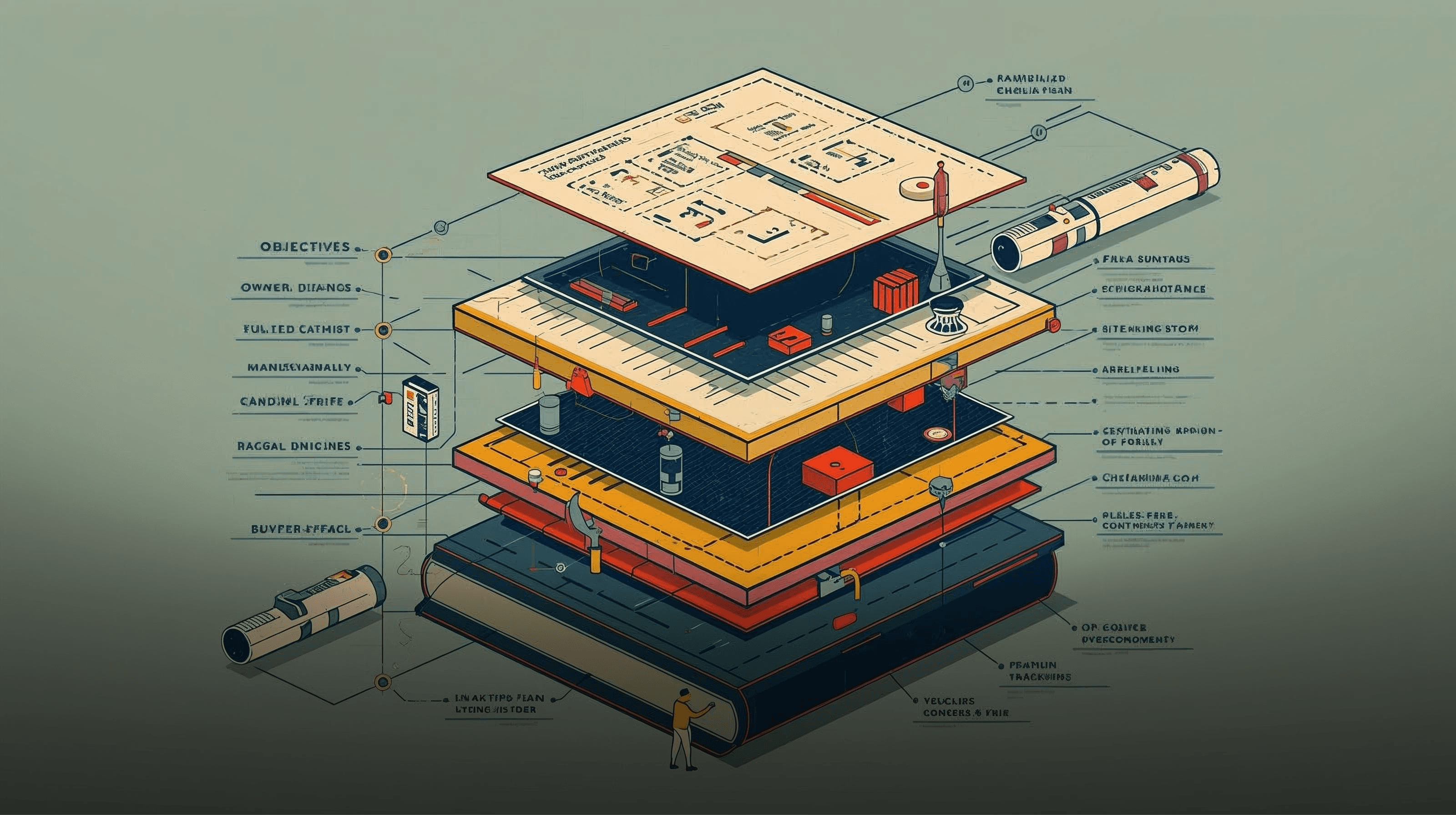
Plan
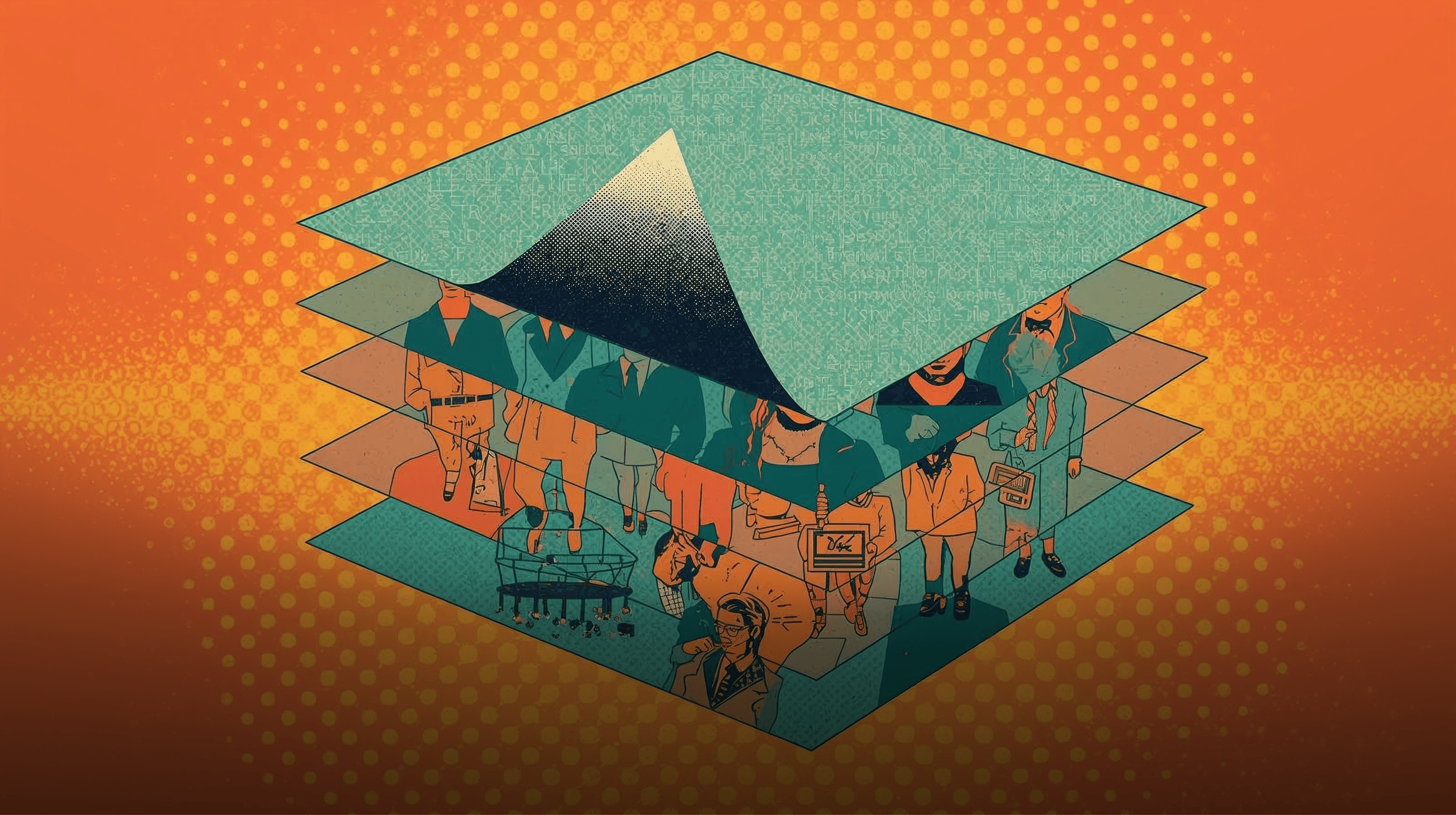
Why structured planning exposes hidden influence, and how elite sellers use it to prevent late‑stage derailment
The fast take
Modern buying is more matrixed and multichannel than most early stakeholder maps suggest. B2B customers now use about ten interaction channels and will switch suppliers if the cross‑channel experience is clunky, which means many voices can influence the journey outside your meetings. A crisp plan is the forcing function that brings those voices into the open before they can derail approvals. McKinsey B2B Pulse 2024 [brooksgroup.com]
Complication: buyers spend only 17% of their total purchase time with all suppliers combined, so most stakeholder alignment happens when you are not in the room. Your plan must travel and surface reality on its own. Gartner press release
Why hidden stakeholders appear during planning
Early discovery tends to emphasize desirability, not feasibility. Once a draft plan names timelines, data access, security, budget gates, or handoffs, the people who own those domains naturally assert influence. Planning converts hypothetical impact into real obligation, and that activation brings new names to the table. This is healthy, not hostile. It is how organizations protect themselves when a decision becomes concrete. Gartner B2B buying journey (six non‑linear “jobs”) [blogs.cornell.edu]
Late stalls are often about who was left out, not what was missed. Forrester finds 86% of purchases stall somewhere and 81% of buyers end dissatisfied with the provider they chose, a signal that internal survivability—not value—was under‑addressed. Forrester newsroom [challengerinc.com]
The usual suspects planning reveals
Operations when workflows, SLAs, or change windows are specified. [blogs.cornell.edu]
Finance when phasing, cash flow, or cost exposure is defined. [challengerinc.com]
Security/IT when integrations, data flows, or access models appear. Buyers are acutely privacy‑sensitive; 98% say external privacy certifications matter in buying, so the security team will weigh in. Cisco 2024 Data Privacy Benchmark (PDF)
Legal/Compliance when contractual risk or regulatory scope surfaces. Poor alignment here contributes to the ~8.6% average value erosion seen in contracting. Deloitte–WorldCC [aimind.marketing]
Executives when precedent, optics, or cross‑functional trade‑offs become visible; late executive step‑ins are increasingly common in today’s risk‑averse climate. SBI Executive Forums [weforum.org]
Why this matters for forecast accuracy
The biggest pipeline killer is not competitor win rates; it is no‑decision driven by fear of being wrong. In an analysis of 2.5 million sales conversations, 40–60% of opportunities were lost to indecision rather than competitive loss. Stakeholders added late magnify that fear unless your plan contains it. Harvard Business Review
And because customers are 1.8× more likely to report a high‑quality outcome when supplier digital tools are paired with a rep, planning is your structured moment to apply that human guidance and align newcomers around risk gates and reversibility. Gartner B2B Buying Report (PDF) [store.hbr.org]


Turn your plan into a stakeholder‑discovery tool
1) Lead with a “draft to provoke.”
Share a one‑page feasibility plan that names the first 30‑day outcomes, required systems, and data touchpoints. Ask, “Who else should see this before we lock dates?” This invites missing owners while you still have time to adapt. Gartner buying journey [blogs.cornell.edu]
2) Bake in governance early.
Attach a lightweight governance pack: security posture, privacy certifications, and a finance‑ready TCO view. This draws Security, Legal, and Finance in proactively and builds defensibility for your champion. Cisco Privacy Benchmark
3) Use risk gates to map influence.
Define phasing, rollback criteria, and escalation paths. Watch who reacts. Those reactions reveal true owners and likely veto points. This also reduces indecision by showing how downside is contained. Harvard Business Review
4) Co‑author the executive memo.
With your champion, draft a two‑minute readout for late‑enter execs: why now, why this, how risk is boxed in. This asset tends to be forwarded across the buyer’s ten‑channel journey, surfacing any additional leaders who must weigh in. McKinsey B2B Pulse 2024 [brooksgroup.com]
Manage emergence without losing momentum
Normalize expansion: “As we shift from should we to how we, more leaders get involved. That is diligence, not delay.” Then re‑baseline dates openly and tie the timeline to decision safety instead of speed. This framing protects your champion and keeps influence constructive. SBI Executive Forums [weforum.org]
The punchline
Hidden stakeholders are rarely new problems. They are dormant until the plan makes obligation real. Use planning to pull them forward early, when adaptation is easy and leverage is high. That is how you cut stalls, protect champions, and convert alignment into survivable commitment. Forrester newsroom [challengerinc.com]
SEO keywords: stakeholder mapping, B2B buying group, buyer‑facing plan, governance pack, executive memo, no‑decision deals, sales risk management, omnichannel B2B buying.