Belief

In a Complex Buying Era, Belief Has Become a Competitive Advantage
Over the past decade, the sales landscape has undergone a profound transformation. Buying committees have expanded dramatically, digital research now shapes buyer assumptions before reps are ever contacted, and stakeholders demand business cases grounded in quantifiable value — not product pitches. Recent studies show the typical B2B buying group now includes 13 decision‑makers, with 89% of purchases involving multiple departments (Forrester, 2024). Buyers increasingly arrive at the table armed with autonomous research, AI‑generated insights, and pre‑existing vendor shortlists.
While skill, process, and technology remain critical, one factor has quietly become a foundational determinant of commercial performance: belief.
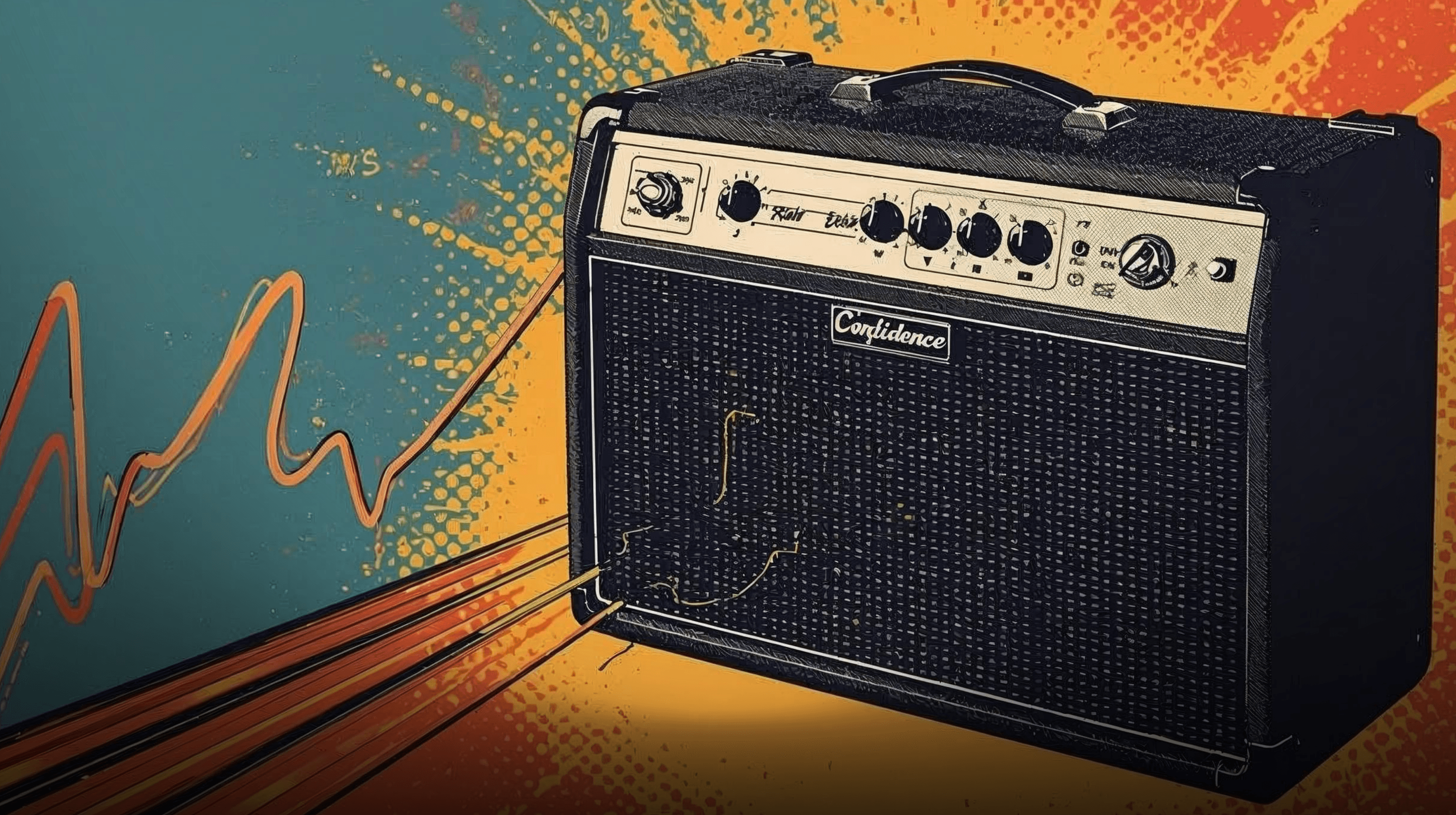
In high‑ambiguity selling environments, buyers look for conviction — the ability to communicate clarity, competence, and direction despite uncertainty. Modern buying groups use what research calls “confidence cues” to determine which vendors are safe bets. The data is unambiguous: 59% of deals end in no decision primarily because buyers lack confidence, not because solutions lack merit (ASG Buyer Confidence Model).
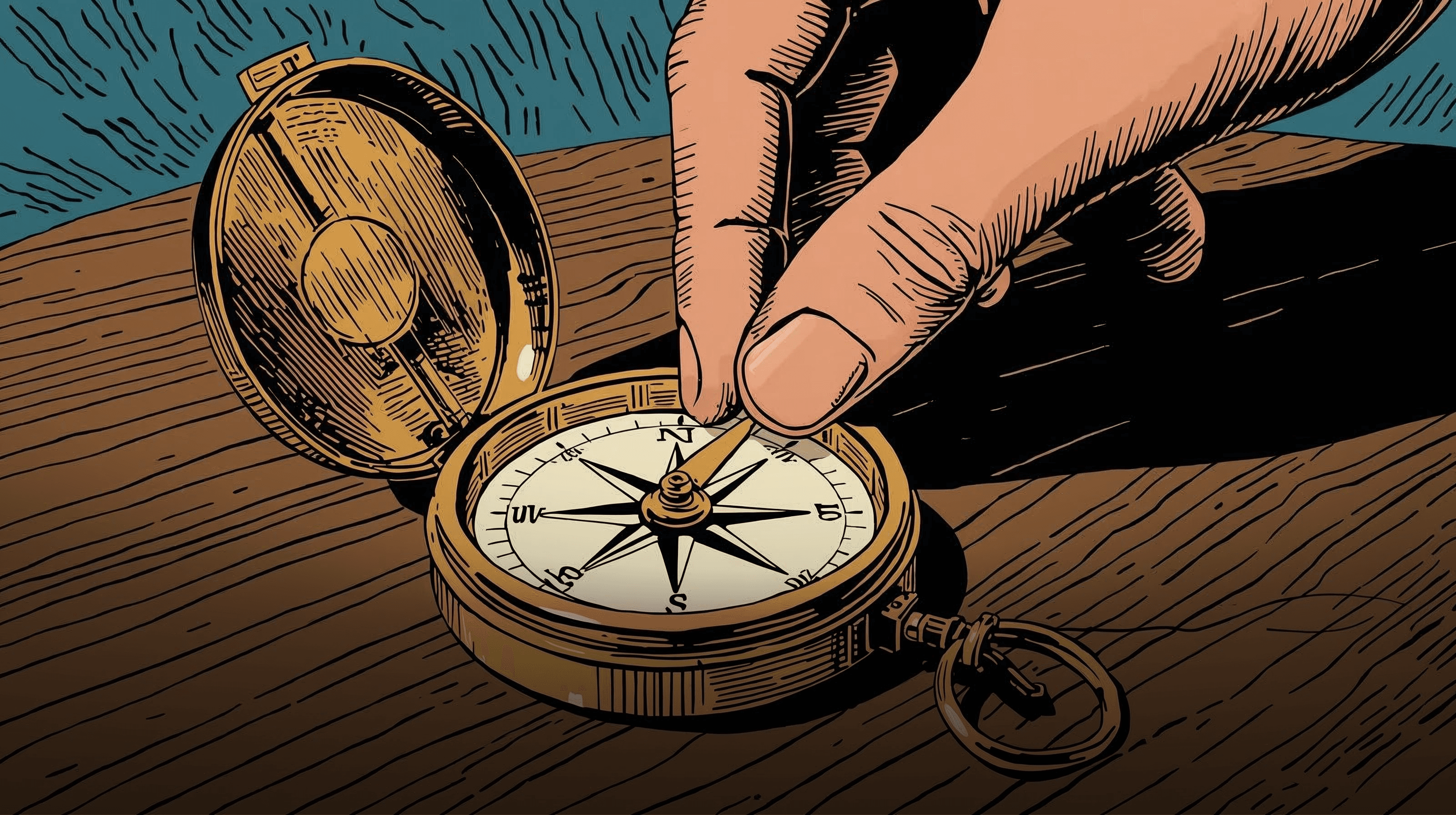
Behind every consistently elite seller — regardless of industry, territory, or tenure — lives a stable internal architecture made of three beliefs:
Belief in Self
Belief in Product
Belief in Company
Together, these three beliefs function as a psychological operating system. When reinforced, they accelerate performance. When any one weakens, the entire system destabilizes.
Without These Three Beliefs, Skill Cannot Fully Express Itself
Skill alone does not move pipeline. A technically competent rep who lacks conviction sells tentatively; the data backs this up. Research shows confident salespeople close 15% more deals than their less assured peers (Journal of Marketing). Conversely, reps without belief demonstrate visible symptoms long before results deteriorate:
Hesitation in proposing next steps
Excessive deference to buyers
Difficulty challenging flawed assumptions
Lower outreach volume
Poor opportunity qualification
Over‑attachment to unqualified deals
Unwillingness to recommend a path forward
This is especially limiting in markets where buyers are overwhelmed by complexity. A 2025 study shows 83% of buyers define their requirements before ever speaking with sales, while 94% use AI tools during their research process (6Sense 2025). Sellers must bring clarity, not wait for it.
High-Performing Sellers Maintain Three Distinct, Reinforcing Belief Systems
Elite sellers do not depend on charisma or temporary motivation. Their confidence is rooted in evidence, repetition, and validated mental models. These beliefs function not as optimism, but as informed conviction.


1. Belief in Self: The Foundation of Decisive Action
Self‑belief is not swagger — it is the measured conviction that one can navigate complexity, handle setbacks, and create value. Research in sales psychology consistently shows self‑efficacy is a direct predictor of salesperson performance and adaptive selling behavior (Journal of Selling & Major Account Management).
High‑self‑belief sellers:
Take action quickly and with less emotional friction
Interpret setbacks as data, not personal failure
Assume capability first and skill gaps second
More than 52% of sellers identify confidence as a top trait for success (SalesFuel). This matters in deal cycles where new stakeholders frequently surface late — a scenario now common given that 49% of buyers accelerate timelines due to economic pressures, reshaping committees mid‑process (6Sense 2025).
Elite reps meet that turbulence with composure because their self‑belief is grounded in evidence, not emotion.
2. Belief in Product: The Basis of Persuasion
Buyers often cannot fully evaluate a solution during the sales cycle. They lack the technical depth, internal benchmarks, and future‑state clarity required for objective comparison. Research shows buyers consume an average of 13 pieces of content and rely heavily on rep confidence as a heuristic when complexity rises (Thunderbit 2025).
Sellers with strong product conviction demonstrate:
Precision in recommendation
Assertiveness in guiding decisions
A diagnostic mindset rather than feature narration
This matters because buyers are 69% through their journey before speaking with sales, meaning reps must bridge understanding gaps fast (Thunderbit 2025). A rep who says “this might help” communicates risk; one who says “here’s exactly how this solves your problem” communicates certainty.
Buyers choose certainty.
3. Belief in Company: The Source of Stability and Trust Transfer
Modern deals are not won on product alone. Buyers assess vendor risk — durability, supportability, cultural alignment, and long‑term viability. This is increasingly important as 90% of global buyers report longer, more scrutinized purchase cycles (Edelman + LinkedIn 2024).
Low company belief manifests as:
Avoidance of enterprise conversations
Under‑promising to reduce perceived risk
Difficulty articulating long‑term value
Reactive posture in strategic discussions
But when sellers believe in their company, they transmit organizational confidence. They help buyers feel safer — a major decision variable given that 41% of buyers say they purchased the wrong solution previously, making career‑risk sensitivity a dominant force in B2B decisions (ASG Buyer Confidence Model).
These Beliefs Are Built Through Evidence, Not Emotion
High performers actively engineer belief:
They collect proof of their capabilities.
Success logs, deal retrospectives, coaching records — each creates a portfolio of competence. Research shows self‑efficacy grows when reps review evidence of past success (McMurrian & Srivastava).
They immerse themselves in product value.
Customer calls, implementation reviews, and support tickets offer insight into real‑world impact — grounding conviction in observable outcomes.
They stay close to company strategy.
Roadmaps, executive briefings, and customer advisory insights provide the macro‑narrative sellers need to reduce uncertainty for buyers.
Belief is not consumed — it is constructed.
Implications for Teams and Leaders
1. Training Must Address Identity, Not Just Technique
Sales enablement often focuses on scripts, objections, and frameworks. But without the three beliefs, these tools sit unused.
Organizations should develop:
Self-efficacy training
Success-evidence systems
Peer-led product immersion
Transparent internal communications to reinforce company trajectory
2. Managers Must Identify Belief Gaps Early
A rep struggling with product belief shows distinct symptoms from one struggling with self-belief. Managers should treat these as diagnostic categories, not general “motivation issues.”
3. Belief Must Be Replenished—Not Assumed to Be Stable
Even high-performers experience erosion during periods of change: competitive shifts, product issues, leadership turnover, or economic uncertainty. Without intentional reinforcement, belief decays quietly but predictably.
4. Belief Influences Team Culture
Teams with strong shared belief systems develop:
Higher standards
Faster collaboration
More resilient responses to setbacks
Greater willingness to push deals forward
When belief is strong, performance becomes contagious.
A Practical Framework: Building the Three Beliefs
Below is a structured way for reps to strengthen their conviction systematically.
1. Build Belief in Self
Maintain a weekly evidence log of small and large wins.
Reframe negative events into capability-building events.
Conduct weekly deal retros focused on what you contributed.
Practice one controlled discomfort action per week.
2. Build Belief in Product
Review customer testimonials weekly.
Listen to one customer call (support or success) per week.
Map product capabilities to buyer problems using real-world examples.
Build a “Product Impact Narrative” you can articulate in two minutes.
3. Build Belief in Company
Track the company’s strategic wins (funding, partnerships, hires, renewals).
Attend optional briefings or demos to absorb roadmap detail.
Understand why customers renew—not just why they buy.
Develop a clear message of how the company reduces customer risk.
Actionable Takeaways
For Leaders
Evaluate belief gaps during pipeline and performance reviews.
Institutionalize evidence-generation rituals across teams.
Improve transparency around company direction and product evolution.
Create more cross-functional exposure between sales and delivery teams.
For Individual Sellers
Build a personal “Belief Operating System” reviewed weekly.
Accumulate evidence deliberately rather than relying on big wins.
Study real customer outcomes to deepen product conviction.
Stay close to your company’s mission, strategy, and roadmap.