Prescriptions
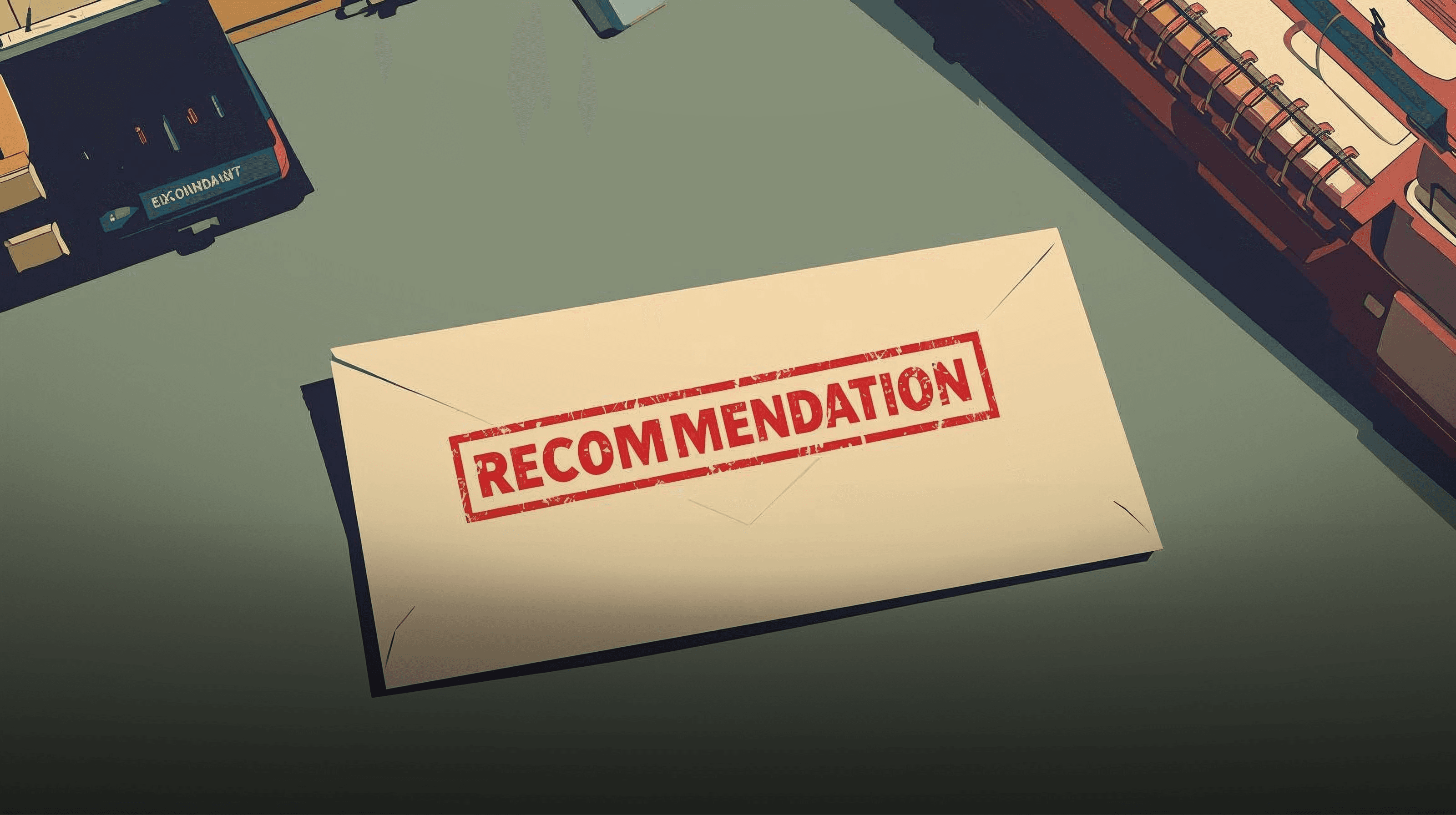
Why requests for guidance often precede resistance, and how elite sellers respond without triggering defensiveness
The fast take
In today’s omnichannel buying, stakeholders move across about ten interaction channels and compare inputs from many voices before they ever act. A request for “your recommendation” is often sincere curiosity, not commitment. It’s a safe way to explore options without absorbing consequence. Buyers also spend only 17% of their total purchase time with all suppliers combined, so most readiness work happens when you are not in the room—your advice arrives, but the organization isn’t ready to open it. [sbigrowth.com] [eprints.bo...outh.ac.uk]
Why advice feels safer than action
Buying groups loop through problem identification, solution exploration, validation, and consensus creation. During these loops, asking for guidance reduces uncertainty cognitively, but it doesn’t create accountability behaviorally. That helps explain why 86% of purchases stall somewhere and 81% of buyers end dissatisfied even after choosing a provider—alignment on paper rarely survives consequence without readiness. Large‑scale call analysis adds the human layer: 40–60% of qualified opportunities die in no decision, driven more by fear of getting it wrong than by lack of value. [b2bexperts.org], [ecosystems.io] [info.worldcc.com]
What unreadiness looks like after you recommend
Assumption attacks, not conclusion debates. Questions multiply upstream of your logic. That’s risk‑avoidance, not intellectual rigor. [b2bexperts.org]
Scope inflation. The conversation broadens to “consider everything” to dilute specificity and personal exposure, a pattern tied to late‑stage stalls. [ecosystems.io]
Deferral to more inputs. “Let’s get Security/Finance/Legal to weigh in,” which is prudent, but if those risk owners were not pre‑engaged, the envelope will stay sealed. [b2bexperts.org]
Why pushing harder backfires
When sellers counter hesitation with more data, more urgency, and firmer prescriptions, they amplify perceived risk. Behavioral evidence shows that premature pressure flips buyers into loss‑avoidance, the engine of no decision. The result: your recommendation becomes something to resist, not evaluate. [info.worldcc.com]


Shift the posture: earn permission to advise
Distinguish curiosity from authorization. Authorization exists when a buyer is prepared to own trade‑offs, discuss downside, and name an accountable sponsor. Without it, even excellent advice feels intrusive. Use the buying‑jobs lens: before validation and consensus are real, treat “What would you do?” as a request to clarify the decision, not to drive a decision. [b2bexperts.org]
Move from prescription to criteria. Offer decision principles and patterns you’ve seen work, then ask, “What would need to be true here for this to stick?” This builds readiness instead of triggering defense. [b2bexperts.org]
Make your advice survivable
1) Front‑load risk owner proof. Attach a mini governance pack—privacy/security certifications plus a finance‑ready TCO sensitivity—so late‑gate approvers see themselves in the plan. In many sectors, 98% of organizations say external privacy certifications influence purchasing; failing to address this early invites a stall. [ecosystems.io]
2) Propose a reversible first step. Outline Day‑30/60/90 metrics and explicit rollback. This directly counters the fear dynamic behind no decision by showing how downside is contained. [info.worldcc.com]
3) Pair digital with human at key gates. Buyers report 1.8× higher deal quality when supplier tools are paired with a rep during critical checkpoints; use those moments to confirm ownership, risk acceptance, and success criteria before prescribing. [gartner.com]
4) Ensure the plan can travel. Because you only get 17% of the calendar, package a two‑minute memo that stakeholders can forward: why now, what first, how risk is boxed, and the Day‑30 proof. [eprints.bo...outh.ac.uk]
Quick diagnostic before you “seal and send” your recommendation
Named owner? If no one would be accountable for outcomes (and for explaining failure), you’re still in exploration. [b2bexperts.org]
Late‑gate readiness? If Security/Legal/Finance concerns aren’t answered in your packet, expect loops, not lifts. [ecosystems.io]
Reversibility? If the first step cannot be safely undone, fear wins and the envelope stays closed. [info.worldcc.com]
The punchline
In modern B2B sales, a request for your recommendation is often an invitation to help buyers get ready, not to push them to act. Anchor your guidance in criteria, risk containment, and a reversible first step. Secure permission before prescription. When ownership, risk, and success signals are present, your advice lands. When they are not, even great advice becomes an unopened envelope. [sbigrowth.com], [eprints.bo...outh.ac.uk], [b2bexperts.org], [ecosystems.io], [info.worldcc.com]