Empathy
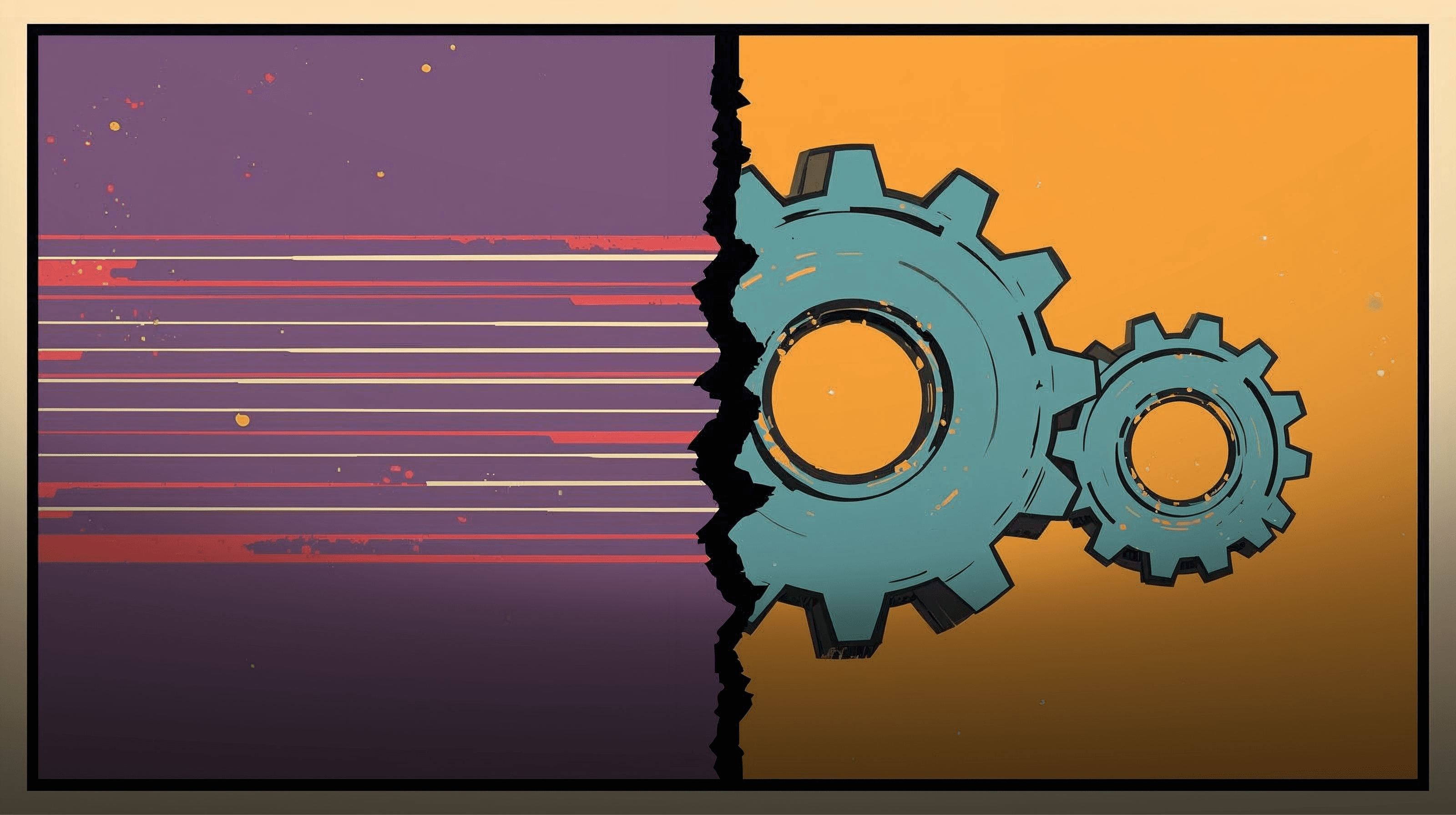
Why understanding someone is not the same as agreeing with them, how confusing the two weakens leadership and sales effectiveness, and what disciplined professionals do instead
Agreement is masquerading as EQ
In complex B2B environments, teams are told to “be empathetic,” often interpreted as nodding along and smoothing tension. But buyers themselves reward competence, consistency, and dependability far more than warmth signals. Trusted suppliers are roughly 2× as likely to earn referrals or premium pricing, which means steadiness under pressure matters more than quick agreement. Forrester press release, DigitalCommerce360 summary
When disagreement gets avoided in the name of harmony, decision quality drops. Evidence reviews on trust and psychological safety conclude that constructive dissent, not constant consensus, predicts healthier performance. CIPD evidence review, 2024
Core distinction
Empathy: accurately understanding the other party’s incentives, fears, and constraints without adopting them as your own. [Current Biology primer on empathy vs. perspective‑taking]
Alignment: explicit agreement on direction or decision.
They are orthogonal. Empathy informs judgment; alignment reflects judgment after debate.
Why confusing them erodes judgment
When empathy collapses into alignment, professionals soften positions too early, avoid productive tension, and defer hard calls. In negotiated settings, perspective‑taking (cognitive empathy) reliably outperforms affect‑heavy “feeling with” the counterpart: it uncovers creative trades and helps claim value, while emotional empathy can reduce deal discovery and individual profit. Psychological Science study, APS research brief
The implication is crisp: understanding is not endorsement. The best outcomes come from understanding first, then holding the right line.
Why alignment feels safer than empathy
Alignment reduces tension in the moment, which is why many teams default to it. But the research on team trust shows that clarity plus candor beats quick consensus for long‑term performance and safety. CIPD evidence review Meanwhile, buyers do not rank empathy as a top trust lever in complex purchases; they reward the reliability of competence and consistency. Forrester press release
How to practice empathy without granting alignment
1) Name what they’re protecting.
In sales, a “no” might reflect internal optics more than technical risk. In leadership, pushback can be fear of accountability, not disagreement with strategy. Accurately labeling these drivers lowers defensiveness and makes challenge possible. APS perspective‑taking findings
2) Challenge after understanding.
Negotiation experiments show that perspective‑takers reach more agreements and still claim value. Sequence your moves: demonstrate you “get it,” then introduce constructive tension. Psychological Science study
3) Anchor to trust levers.
Signal competence (clear problem framing), consistency (predictable process), and dependability (follow‑through). That is how buyers evaluate and reward suppliers. Forrester press release
The danger of premature alignment
When teams align too quickly, root risks stay hidden and responsibilities blur. Reviews of healthy team climates stress that disagreement + respect is superior to fast consensus for quality decisions and execution. CIPD evidence review
In commercial conversations, rushing to agree also weakens your ability to shape the purchase—research behind the Challenger approach shows top performers guide the discussion and create constructive tension instead of conceding to maintain rapport. Harvard Business Review overview, Challenger methodology explainer


Micro‑scripts that separate empathy from alignment
Empathy first: “I can see the internal optics risk you’re flagging.”
No premature alignment: “Given that, here are the non‑negotiables for success.”
Constructive tension: “If we drop X to avoid discomfort now, we introduce Y downstream. Which risk do we want to own?”
This pattern reflects perspective‑taking and principled firmness, the combo linked to better agreements and higher trust. Psychological Science study, Forrester trust levers
Actionable takeaways
For individuals
Say “I understand” before you say “I agree” or “I disagree.” APS research brief
Use empathy to surface constraints; delay alignment until trade‑offs are explicit. CIPD evidence review
Keep buyer trust levers visible in every touchpoint. Forrester press release
For leaders
Normalize principled dissent alongside empathy. CIPD evidence review
Coach perspective‑taking over appeasement; reward clarity under pressure. HBR Challenger article
Final insight
Empathy creates understanding; alignment creates commitment. Treating them as the same thing produces softened judgment and diluted decisions. Separating them lets you care deeply while deciding clearly—and that is what customers and teams recognize as trustworthy performance. Forrester press release, Psychological Science study