Empathy
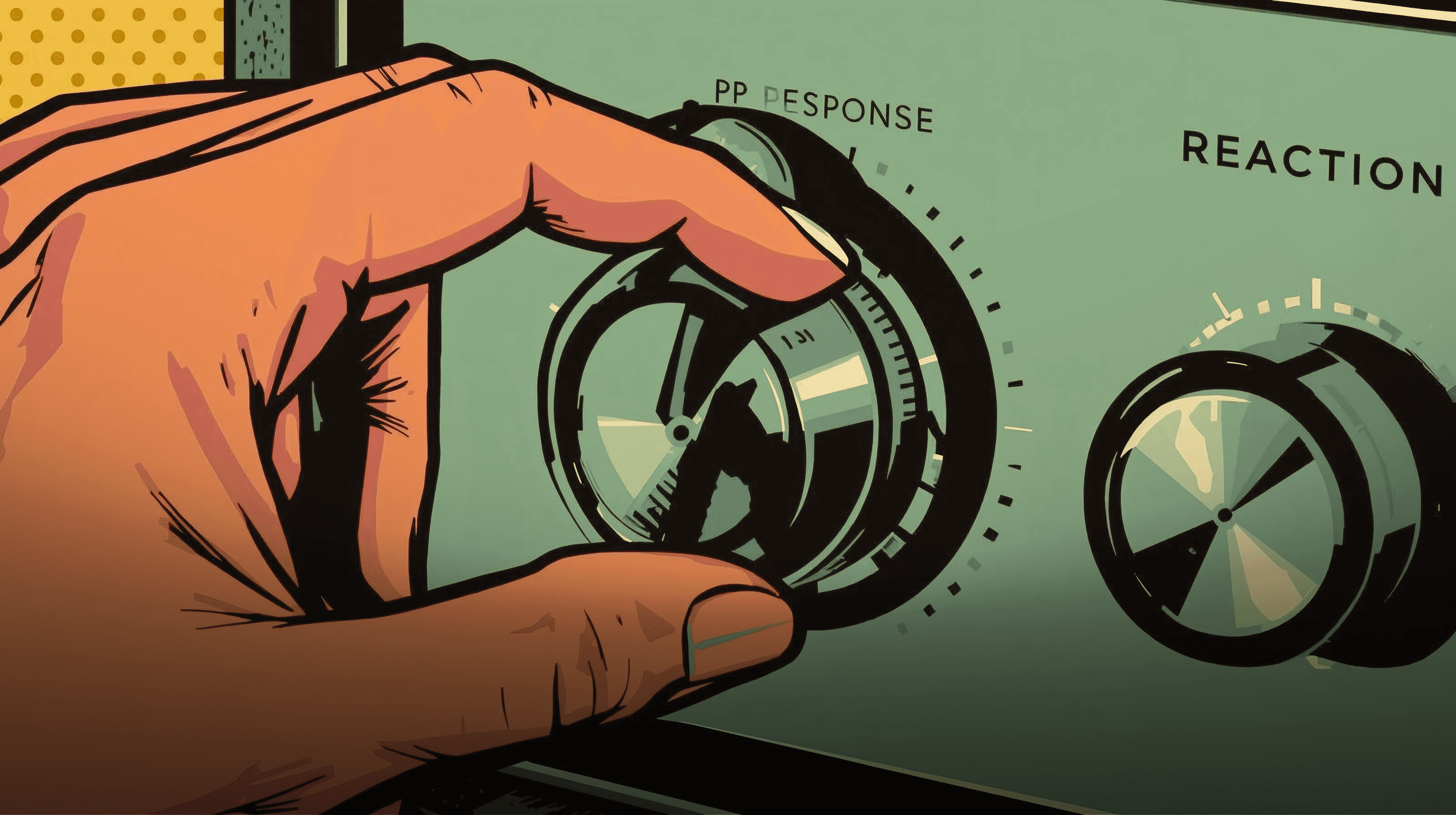
How disciplined perspective‑taking outperforms emotional resonance, why unchecked compassion distorts judgment, and what elite sellers and leaders do differently
Executive summary
Empathy and compassion are often treated as synonyms in sales and leadership training. They are not. In complex, high‑stakes settings, empathy means cognitive perspective‑taking—accurately understanding another party’s incentives, fears, and mental model—while compassion is affective resonance—feeling with and for them. A large body of evidence shows that perspective‑taking improves problem solving and negotiated outcomes, whereas affect‑heavy alignment can bias choices, trigger avoidant behavior, and degrade decision quality under stress. In B2B contexts, buyers also say they trust suppliers that display competence, consistency, and dependability far more than those that primarily signal warmth. Practically, this means the most effective professionals combine clear-headed empathy with emotional regulation to hold standards, challenge respectfully, and decide on time. [jstor.org], [psychologi...cience.org], [forrester.com]
1) Macro context shift: Emotional intelligence is now operational, not just interpersonal
Modern commercial and leadership work is structurally volatile: buying groups are bigger, risk sensitivity is higher, and decisions are politicized. In these environments, emotional intelligence (EQ) isn’t a “nice-to-have.” It governs how you discover multi‑party interests, surface trade‑offs, and keep decisions moving despite friction. Yet most playbooks urge teams to “show empathy” in the sense of feeling what the other side feels. Neuroscience and decision research suggest a different target: understand what they feel and why, without becoming it. That shift—from resonance to regulation‑informed perspective‑taking—keeps judgment intact when it matters most. [academic.oup.com], [bvppt.org]
2) Define the terms precisely: Empathy ≠ compassion
Empathy (cognitive perspective‑taking): the ability to infer another person’s thoughts, constraints, and emotions while maintaining self–other distinction. In social neuroscience, this sits alongside mentalizing or theory of mind. [cell.com]
Compassion (affective care/motivation): feelings of warmth and concern plus a desire to help; it is “feeling for,” not “feeling with.” Compassion can be prosocial and health‑protective, but it is distinct from the analytic skill of modeling another mind. [bvppt.org]
Why the distinction matters: in negotiations and complex decisions, perspective‑taking repeatedly beats affective empathy on value creation and value capture; empathy‑as‑resonance can even reduce deal discovery and individual profit. [jstor.org], [psychologi...cience.org]
3) Evidence: Perspective‑taking improves outcomes; over‑identification hurts them
Negotiation and decision quality
Across multiple experiments, Galinsky, Maddux, Gilin, and White found that perspective‑takers identified hidden agreements and claimed more value, while those induced to feel what the counterpart felt underperformed—sometimes making unnecessary concessions or missing integrative solutions. Mechanism: a “head, not heart” orientation broadened option search and reduced self‑serving blind spots. [willmaddux...eb.unc.edu], [psychologi...cience.org]
Follow‑on work shows similar patterns in competitive coalition and matching tasks: perspective‑taking helps predict counterpart moves and coordinate efficiently, while affective empathy is only advantageous in narrow, connection‑validation contexts. [pon.harvard.edu], [sydneysymp...nsw.edu.au]
Neuroscience: Compassion and empathy recruit different systems
fMRI studies distinguish empathic distress from compassion. Training people to resonate with others’ pain increases negative affect and activity in pain‑related salience regions (anterior insula, mid‑cingulate). By contrast, compassion training increases positive affect and engages reward–affiliation networks (ventral striatum, medial OFC), suggesting a more resilient state for helping without burnout. Practically, this means care can be cultivated without over‑absorbing distress—supporting controlled, prosocial action. [academic.oup.com], [greatergoo...rkeley.edu]
The cautionary tale: compassion fatigue
Caregiving literatures describe compassion fatigue (secondary traumatic stress) as the “cost of caring” when affective load is not regulated—leading to avoidance, withdrawal, and impaired judgment. The remedy in those fields includes deliberate separation and self‑regulation, precisely to keep help effective. [emdr.org.il], [researchgate.net]
Bottom line: Emotional resonance alone is not performance. In high‑stakes business, controlled empathy—understanding perspectives while regulating your own affect—produces better solutions and steadier behavior under pressure. [jstor.org]
4) Why “unrestrained compassion” can quietly degrade decisions
Bias amplification. Spotlight empathy privileges salient individuals and immediate pain over base rates and long‑term effects—a key argument in Paul Bloom’s Against Empathy, which advocates rational compassion (care guided by analysis). In policy and organizational choices, this spotlight effect can misallocate effort and skew fairness. [books.google.com], [link.springer.com]
Risk communication drift. When we share stakeholders’ anxiety too closely, we soften recommendations, delay hard news, or under‑communicate risk to avoid discomfort. Clinical and ethics literatures warn that emotions shape risk attitudes; unless recognized and regulated, they distort decisions in uncertain contexts. [jme.bmj.com], [cambridge.org]
Avoidant execution. Unchecked compassion norms (“don’t upset the room”) turn into meeting dynamics that avoid productive tension—deferring decisions and exporting risk downstream. Reviews on psychological safety and trust stress that healthy challenge and candor, not constant harmony, are the precursors of high performance. [cipd.org]
5) Trust is built on steadiness, not shared anxiety
B2B buyers rank competence, consistency, and dependability as the most important trust levers—far ahead of empathy as a driver of purchase intent. Trusted suppliers are ~2× as likely to earn referrals and premium pricing. Read that again: clients equate trust with reliability under pressure. Emotional alignment alone doesn’t win; understanding plus control does. [forrester.com], [digitalcom...rce360.com]


6) Operationalizing empathy-as-control: a practical model
A) Regulate first, then relate
Emotion regulation research shows cognitive reappraisal is effortful but effective; it reduces distress, preserves bandwidth, and improves downstream judgments. Train the micro‑habit: name the trigger → reframe the appraisal → choose the response. [hbs.edu], [journals.sagepub.com]
Tip for sellers/leaders: Before responding to a heated objection or a worried stakeholder, take one beat to reappraise (“their risk is political timing, not product fit”), then engage. This keeps your questions strategic rather than defensive. [hbs.edu]
B) Switch from affective empathy to cognitive perspective‑taking
In exploratory and negotiation phases, prioritize questions that expose interests, constraints, and success metrics. The goal is not to feel what they feel—it is to map what they must solve and why. Expect better integrative options and fewer needless concessions. [willmaddux...eb.unc.edu]
C) Use compassion… with boundaries
Compassion is invaluable for warmth, rapport, and resilience—provided it doesn’t collapse into emotional contagion. Compassion training itself can enhance positive affect and helping behavior without the costs of empathic distress. Pair it with explicit decision standards and risk language so care never replaces clarity. [greatergoo...rkeley.edu], [academic.oup.com]
D) Challenge respectfully, not defensively
Research on challenger‑style selling shows that winning in complex sales correlates with teaching, tailoring, and taking control—building constructive tension rather than smoothing it away. That requires empathy to diagnose what must be challenged, and control to hold the line when discomfort appears. [hbr.org], [challengerinc.com]
7) What elite performers do differently (and you can copy)
They separate signals: “I hear your concern about internal optics” is not “we should dilute the change.” Acknowledge emotion; do not adopt the client’s short‑term aversion as your strategy. [jme.bmj.com]
They script regulating language: “Let’s zoom out to decision criteria,” “What risk are we protecting against?” This recentering language is a live reappraisal that steadies rooms. [hbs.edu]
They negotiate like perspective‑takers: Before price, they map hidden interests, trade‑offs, and coalition dynamics. The research suggests this increases both deal discovery and value capture. [willmaddux...eb.unc.edu]
They keep trust levers visible: Every interaction demonstrates competence (clear problem framing), consistency (predictable process), and dependability (follow‑through). That is what buyers reward with loyalty and premiums. [forrester.com], [digitalcom...rce360.com]
They protect themselves from empathic overload: Routine reflection, boundaries, and compassion practices prevent the slide into fatigue and the execution drag that follows. [emdr.org.il]
8) Leadership lens: Regulation as a force multiplier
Teams project uncertainty upward. Leaders who absorb that anxiety tend to amplify it—second‑guessing decisions, over‑validating, and creating process churn. Leaders who regulate first can contain emotion, keep standards visible, and maintain a climate where difficult truths are discussable—core ingredients of psychological safety and performance. [cipd.org]
A 2025 systematic review on empathy in leadership synthesizing 42 studies underscores that definitions and measures of empathy vary, but effects are strongest when leaders pair sensitivity with appropriate responding—in other words, when awareness is matched by self‑control and clear action. [link.springer.com], [link.springer.com]
9) Objections, addressed
“Isn’t compassion what keeps us human?”
Yes—and it is most effective when trained and bounded. Lab evidence shows compassion training can increase positive affect and prosocial motivation while avoiding empathic distress. Use compassion to fuel care; use empathy + control to guide decisions. [greatergoo...rkeley.edu], [academic.oup.com]
“Won’t emotional distance harm rapport?”
Data suggest the opposite in complex deals. Perspective‑takers reached more agreements and increased counterpart satisfaction when compared with controls; empathizers made others feel heard but achieved worse outcomes. Stakeholders respect steadiness and clarity. [psychologi...cience.org]
“Can people actually learn this?”
Yes. Emotion‑regulation skills like cognitive reappraisal are trainable. Organizations can teach a shared language (“two‑way vs one‑way decisions,” “reframe before respond”) that institutionalizes control alongside care. [hbs.edu]
10) A brief field example
Scenario: A VP of Sales hears a buyer say, “If we push your proposal as is, procurement will torch me.”
Compassion‑only response: reassure, remove scope, cut price—short‑term relief that trades away outcomes.
Empathy‑with‑control response: “It sounds like your risk is internal optics and procurement pushback. Let’s map what procurement must defend and what you must show. If we phase the rollout and link stage‑gates to risk KPIs, does that address the exposure while preserving the business case?”
The second response acknowledges fear, names the constraint, and holds the necessary standard—classic perspective‑taking plus regulation. It is less comforting in the moment and far more effective over the quarter. [willmaddux...eb.unc.edu]
11) Implementation guide: Train for empathy with control
Curriculum components
Concept split: Teach the neuroscience distinction (empathic distress vs compassion; perspective‑taking vs affective resonance). Use quick primers and one-page visuals. [bvppt.org], [academic.oup.com]
Regulation drills: 60‑second reappraisal reps before high‑stakes calls; leader “reset” rituals post‑escalation. [hbs.edu]
Perspective‑taking labs: Role‑plays where teams must infer counterpart interests and construct trade‑off packages; score not just “win rate” but deal creativity. [willmaddux...eb.unc.edu]
Boundary scripts: Phrases that accept short‑term discomfort to protect long‑term clarity (“I understand the concern; here’s what must be true for success”). [forrester.com]
Trust‑lever scoreboard: Inspect meetings and artifacts for explicit signals of competence, consistency, and dependability (what buyers say they value most). [digitalcom...rce360.com]
Manager behaviors
Model containment: pause → reframe → respond. [hbs.edu]
Reward clarity over harmony: recognize respectful challenge and timely decisions even when outcomes are uncertain. [cipd.org]
Guard against fatigue: rotate “heavy” accounts, normalize recovery practices, and watch for avoidance patterns that signal empathic overload. [emdr.org.il]
12) Actionable checklists
For individual sellers and leaders
Before key conversations, write one sentence each for: their interests, their constraints, your non‑negotiables. Enter the room with a regulated mind. [willmaddux...eb.unc.edu]
When emotions spike, name → reappraise → act. Even a 10‑second delay improves your next sentence. [hbs.edu]
In negotiations, ask mapping questions: “If X were solved, what would still block you?” “Whose risk are we really protecting?” [willmaddux...eb.unc.edu]
After tough interactions, document the decision logic you used; it deters hindsight bias and strengthens future judgment. [hbr.org]
For organizations
Build a micro‑curriculum on empathy vs compassion, reappraisal, and perspective‑taking; certify managers to coach it. [bvppt.org], [hbs.edu]
Bake trust levers into customer‑facing playbooks (competence, consistency, dependability). Inspect proposals and QBRs for explicit signals. [forrester.com]
Pair compassion‑centric wellbeing initiatives with decision standards and risk language so care never replaces clarity. [cipd.org]
Final insight
Empathy requires control. Feeling with people can make you kind; understanding without absorbing makes you effective. The professionals who consistently win complex decisions don’t mute emotion—they contain it. They take perspectives, impose discipline on their own reactions, and help others confront hard truths safely. That combination—clarity plus care—builds the only kind of trust buyers and teams actually reward over time. [forrester.com]
Sources used
Galinsky, A. D., Maddux, W. W., Gilin, D., & White, J. B., Why It Pays to Get Inside the Head of Your Opponent (Psychological Science, 2008): https://willmaddux.web.unc.edu/wp-content/uploads/sites/15846/2019/01/Psych-Science-PT-Negotiations.pdf [willmaddux...eb.unc.edu]
APS news release on the same research: https://www.psychologicalscience.org/news/releases/it-pays-to-know-your-opponent-success-in-negotiations-improved-by-perspective-taking-but-limited-by-empathy.html [psychologi...cience.org]
Singer, T. & Klimecki, O., Empathy and Compassion (Current Biology, 2014): https://www.cell.com/current-biology/fulltext/S0960-9822%2814%2900770-2 and PDF primer: https://bvppt.org/media/singer_klimecki_current_biology_2014.pdf [cell.com], [bvppt.org]
Klimecki, O. M. et al., Functional Neural Plasticity and Positive Affect After Compassion Training (Cerebral Cortex, 2012): https://greatergood.berkeley.edu/images/uploads/Klimecki-PositiveAffectCompassionTraining.pdf [greatergoo...rkeley.edu]
Klimecki, O. M. et al., Differential Plasticity After Empathy vs Compassion Training (SCAN, 2014): https://academic.oup.com/scan/article/9/6/873/1669505 [academic.oup.com]
Figley, C. R., Compassion Fatigue (book, 1995): https://www.emdr.org.il/wp-content/uploads/2021/08/Figley1995CompassionFatiguebook.pdf and Compassion Fatigue: Psychotherapists’ Chronic Lack of Self‑Care (J. Clinical Psychology, 2002): https://www.researchgate.net/profile/Cr-Figley/publication/320290701_Journal_of_Clinical_Psychology/links/60098b26a6fdccdcb86c4776/Journal-of-Clinical-Psychology.pdf [emdr.org.il], [researchgate.net]
Bloom, P., Against Empathy: The Case for Rational Compassion (book overview): https://books.google.com/books/about/Against_Empathy.html?id=_eslDAAAQBAJ and review: https://link.springer.com/article/10.1007/s12115-018-0236-z [books.google.com], [link.springer.com]
Emotion‑regulation research on cognitive reappraisal: “To Reappraise or Not to Reappraise?” (Emotion, 2019): https://www.hbs.edu/ris/Publication%20Files/To%20reappraise%20or%20not%20reappraise_fd189af7-8076-4973-91f2-c44d4813fd92.pdf ; systematic review (Emotion Review, 2022): https://journals.sagepub.com/doi/pdf/10.1177/17540739221114642 [hbs.edu], [journals.sagepub.com]
Trust in B2B: Forrester State of Global Business Buyer Trust 2024 press release: https://www.forrester.com/press-newsroom/forrester-global-business-buyer-trust-2023/ ; summary: https://www.digitalcommerce360.com/2024/01/12/forrester-survey-how-most-trusted-suppliers-attract-b2b-buyers/ ; podcast: https://www.forrester.com/what-it-means/ep354-trust-in-b2b/ [forrester.com], [digitalcom...rce360.com], [forrester.com]
Challenger selling overview (HBR/Challenger Inc.): https://hbr.org/2011/09/selling-is-not-about-relatio ; https://challengerinc.com/what-is-challenger-sales-methodology/ [hbr.org], [challengerinc.com]
Psychological safety and trust evidence review (CIPD, 2024): https://www.cipd.org/globalassets/media/knowledge/knowledge-hub/evidence-reviews/2024-pdfs/8542-psych-safety-trust-practice-summary.pdf [cipd.org]
Medical decision‑making and emotions in risk assessment (Journal of Medical Ethics, 2023 commentary): https://jme.bmj.com/content/49/11/746 ; broader risk‑assessment framework (BJPsych Advances, 2024): https://www.cambridge.org/core/journals/bjpsych-advances/article/risk-assessment-in-clinical-practice-a-framework-for-decisionmaking-in-realworld-complex-systems/04E759CC43ED44832F7D666FD8451910 [jme.bmj.com], [cambridge.org]