Personal Brand
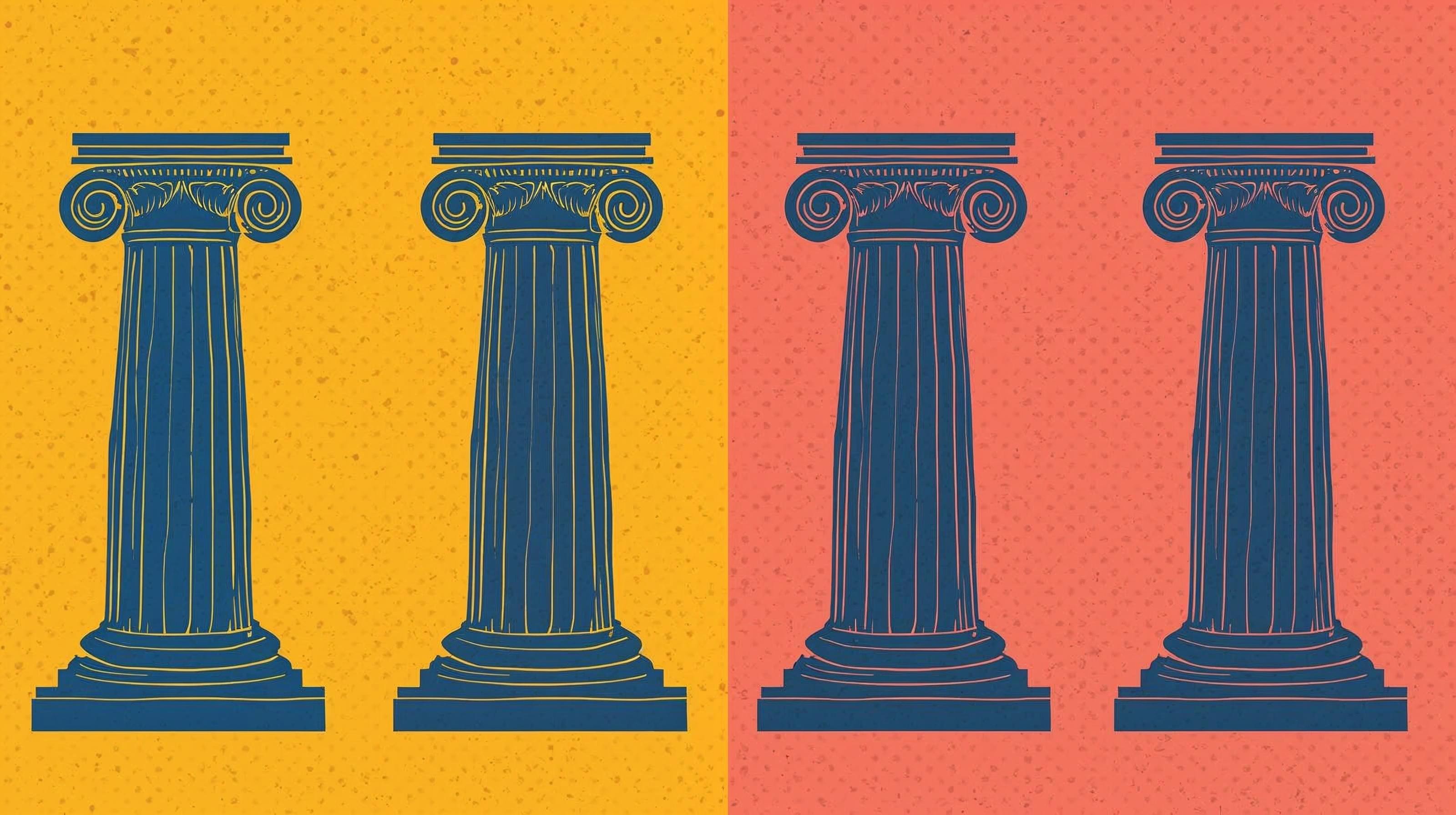
In modern selling, a rep’s personal brand now influences access and win probability as much as the product itself. Why? Because buyers do the majority of their evaluation without a seller present and arrive to conversations looking for credible guides who can reduce risk, clarify trade‑offs, and align a crowded buying group. Gartner’s research shows buyers spend only 17% of the total purchase journey meeting suppliers, which means your visible signals of judgment—what prospects see on LinkedIn, in comments, and in shared resources—carry outsized weight. At the same time, the average of ~10 interaction channels and multi‑modal journeys make coherence and trust table stakes, with more than half of buyers willing to switch if their omnichannel experience is poor. [pwc.com] [netline.com]
Individually, sellers can meet this moment. Thoughtful, well‑sourced perspectives are not window dressing: decision‑makers say high‑quality thought leadership is more trusted than product marketing and often prompts them to research vendors they were not considering. And in software categories, public review sites are now the most consulted information source, while 57% of buyers expect ROI inside three months—a reminder that evidence beats assertion. [demandgenreport.com]
Below is a data‑backed framework for treating your sales‑focused personal brand as a core operating system, not a side project.
Pillar 1: Credibility 👉 the foundation of buyer trust
Credibility is the buyer’s first filter. It begins before the first call and rests on the quality of what you publish or share: your ability to synthesize complexity into clarity, cite independent sources, and demonstrate pattern recognition. In complex B2B purchases, this matters because buying groups are large and decisions routinely stall. Forrester reports ~13 people participate in the typical decision, 89% of purchases span departments, and 86% of purchases stall at some point, leaving 81% of buyers dissatisfied with the provider they ultimately choose. Credible, clarifying guidance reduces those frictions. [mckinsey.com.br]
Your external signals of credibility should mirror how buyers actually research. In software, review platforms and peer proof have moved to the front of the evaluation line; G2 finds review sites are the #1 consulted source, and CFO/legal scrutiny is rising during selection. That means linking to third‑party data, security attestations, and measurable outcomes will land better than claims or slogans.
Practical move: In posts and decks, attach citations to independent sources and add short “how to verify” checklists buyers can reuse internally. This increases perceived rigor—the very attribute that Edelman–LinkedIn research shows decision‑makers reward. [demandgenreport.com]
Pillar 2: Perspective 👉 a point of view that helps buyers think clearly
Information is abundant; interpretation is scarce. High‑performing sellers earn authority by making sense of fragmented inputs—market shifts, internal resistance, technical constraints—and by naming the likely root causes behind symptoms. That interpretive ability is critical in today’s journeys: McKinsey documents that buyers navigate ~10 channels across self‑serve, remote, and in‑person interactions, so a seller who can connect dots quickly builds confidence across the group. [netline.com]
Thought leadership is the most scalable way to project perspective. The Edelman–LinkedIn 2024 study (≈3,500 leaders) finds strong thought leadership spurs out‑of‑market buyers to re‑evaluate needs and can increase willingness to pay a premium when expertise is clear and actionable. Poorly supported opinions, however, backfire. [demandgenreport.com]
Practical move: Share concise micro‑frameworks that map decisions (e.g., “If A, B, C are true, start with X and expect Y/Z trade‑offs”). Frameworks travel well across large buying groups and are easy for economic buyers to reuse in internal briefs—addressing the stall dynamics Forrester highlights. [mckinsey.com.br]


Pillar 3: Presence 👉 how buyers experience you in interaction
Presence is the lived expression of brand: how you show up on calls, listen, sequence topics, and manage ambiguity. In crowded decisions, presence is a signal of reliability inside the buyer’s org. Sellers who bring composure and structure lower cognitive load and create momentum; those who flood meetings with features add friction.
Why this matters right now: buyers increasingly arrive late with pre‑formed shortlists. TrustRadius shows shortlists have shrunk to 2–3 products, and 71% of buyers pick their initial favorite—often a brand they already knew (for enterprise, 86% had a pre‑known product on the shortlist). Presence, therefore, must validate and accelerate existing preferences by clarifying risk and implementation realities, not restart discovery from scratch. [forbes.com], [tms-consulting.co.id]
Presence also has a digital dimension. Because buyers consult public sources first, the tone and structure of your LinkedIn posts and comments act as proxies for how you run meetings. Publishing crisp, calm, well‑sourced takes signals the same steadiness you will bring to cross‑functional workshops—crucial when CFOs frequently hold final decision power and legal reviews slow deals.
Practical move: Before high‑stakes calls, share a one‑pager that lists agenda, known constraints, three decision criteria, and independent references. You’ll match how buyers self‑educate (review sites + concise proofs) and make your presence feel like operational relief, not another opinion.
Pillar 4: Consistency 👉 repetition makes the brand real
Buyers trust what they see repeatedly, not once. Consistency is the reinforcing pillar across:
Messaging: the same POV and terms across posts, emails, and meetings (useful in ~10‑channel journeys). [netline.com]
Follow‑through: predictable next steps and timely updates—small proofs against the 86% stall tendency. [mckinsey.com.br]
Evidence rhythm: a habit of linking to third‑party reviews, benchmarks, and customer outcomes because review sites lead research and scrutiny is rising.
Consistency also compounds visibility. The more often your buyers encounter useful posts or comments, the more you become their default advisor when a triggering event hits. Decision‑makers report that strong thought leadership not only opens doors but also prompts re‑evaluation of existing suppliers, which means regular, high‑quality contributions can win both net‑new and competitive displacement.
Practical move: Adopt a minimal, sustainable cadence—2–3 posts per week and 10–15 value‑adding comments where your ICP hangs out—so your brand feels steady rather than sporadic. This fits how buyers actually research and prevents “burst then go silent” patterns that erode trust. [netline.com]
Putting the four pillars to work: a 6‑week operating plan
Weeks 1–2: Foundation
Rewrite your LinkedIn headline and About for buyer outcomes and decision clarity (not job history). Link to independent reviews or customer evidence because buyers consult review sites first.
Draft three micro‑framework posts that clarify common trade‑offs your buyers face; attach sources for each. [demandgenreport.com]
Weeks 3–4: Presence & proof
Share a short decision checklist before key calls (criteria, risks, verification links). This counters stall and models your meeting discipline. [mckinsey.com.br]
Comment daily on analyst or customer discussions, adding one new angle or reference. This spreads your perspective across the ~10 channels buyers navigate. [netline.com]
Weeks 5–6: Consistency & conversion
Turn your best‑performing post into a 2‑page brief that AEs can DM to warm engagers; use engagement as a natural trigger for outreach rather than cold CTAs. (Buyers often initiate contact late after forming preferences.) [business.l...nkedin.com]
Track three signals: content‑assisted meetings (buyers reference or clicked your brief), next‑step lock rate from social warms, and late‑stage stall reduction in deals influenced by your assets—metrics aligned to the frictions documented by Forrester and McKinsey. [mckinsey.com.br], [netline.com]
Why this brand system works (and endures)
It matches how buyers research: independently, across many channels, with heavy reliance on peer reviews and short, decision‑useful content. [netline.com]
It answers what buying groups need: a credible, calm interpreter who can reduce stall and create alignment among ~13 stakeholders. [mckinsey.com.br]
It satisfies executive expectations: clear, rigorous thought leadership that signals competence and can trigger new evaluations—even among existing accounts. [demandgenreport.com]
It acknowledges outcome pressure: with 57% expecting ROI inside three months, you win trust faster by showing how value will be verified, not by merely asserting it.
Actionable takeaways
For individual sellers
Treat credibility as a research habit: cite independent sources and bring frameworks, not hot takes. [demandgenreport.com]
Make perspective portable: one core idea per post, one decision checklist per meeting. [netline.com]
Engineer presence: send agendas and verification links before calls; reference review‑site insights during calls.
Win with consistency: 2–3 weekly posts + 10–15 value comments; measure content‑assisted pipeline and next‑step lock rate. [netline.com], [mckinsey.com.br]
For sales leaders
Bake personal‑brand work into enablement: provide a message architecture, a post archetype library, and a review strategy in partnership with CS, since buyers rely on public proof.
Coach to stall‑reduction and consistency metrics, not vanity metrics; reinforce meeting discipline that lowers cognitive load for large buying groups. [mckinsey.com.br]
A sales‑focused personal brand is not an image; it is an operating system. When Credibility (evidence), Perspective (interpretation), Presence (calm, structured delivery), and Consistency (repeated proof) work together, buyers don’t just consider your solution—they seek your guidance. In a world where they spend little time with sellers and traverse many channels, the reps who run this system become the default advisors buyers follow. [pwc.com], [netline.com]