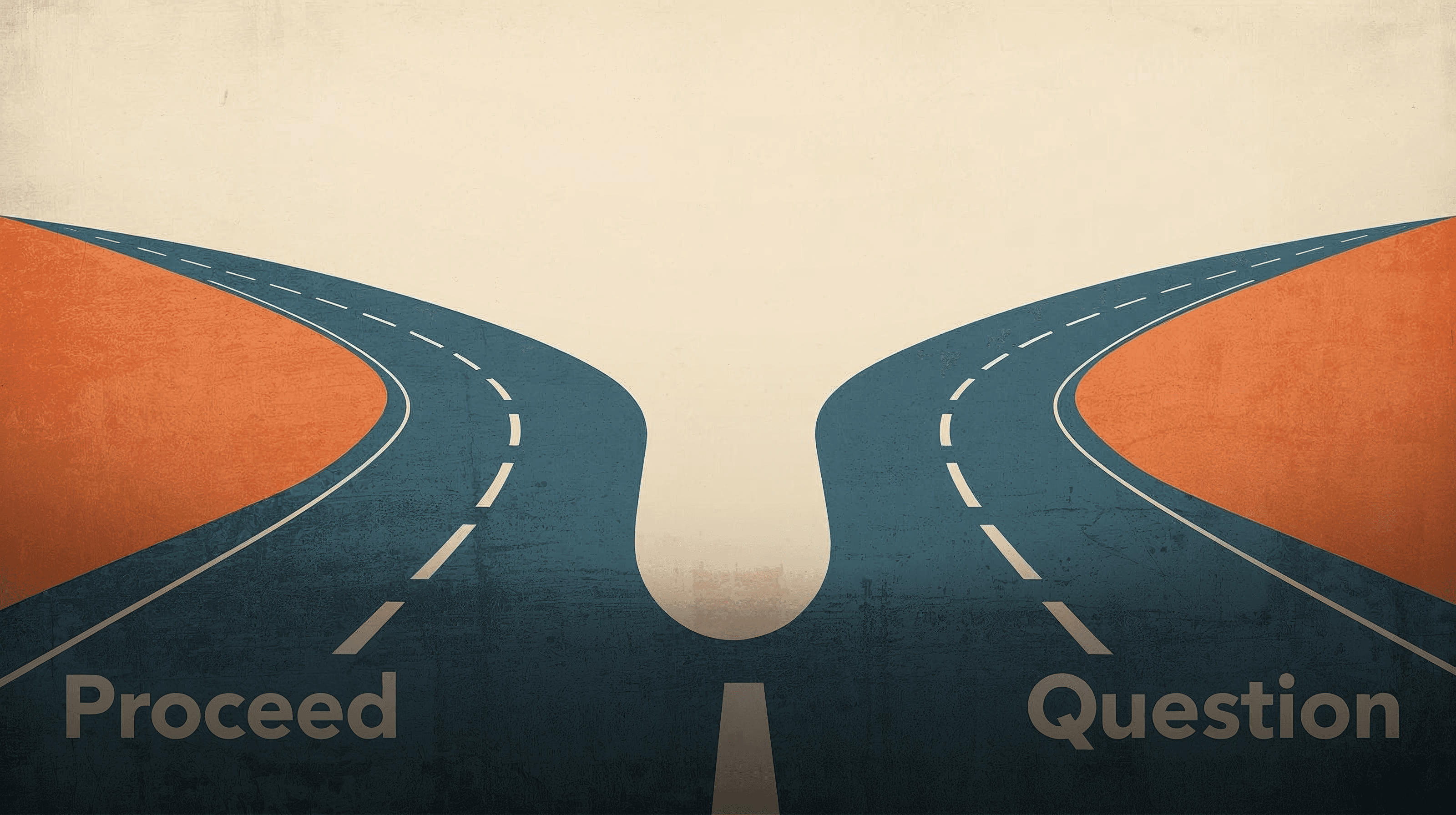
Process
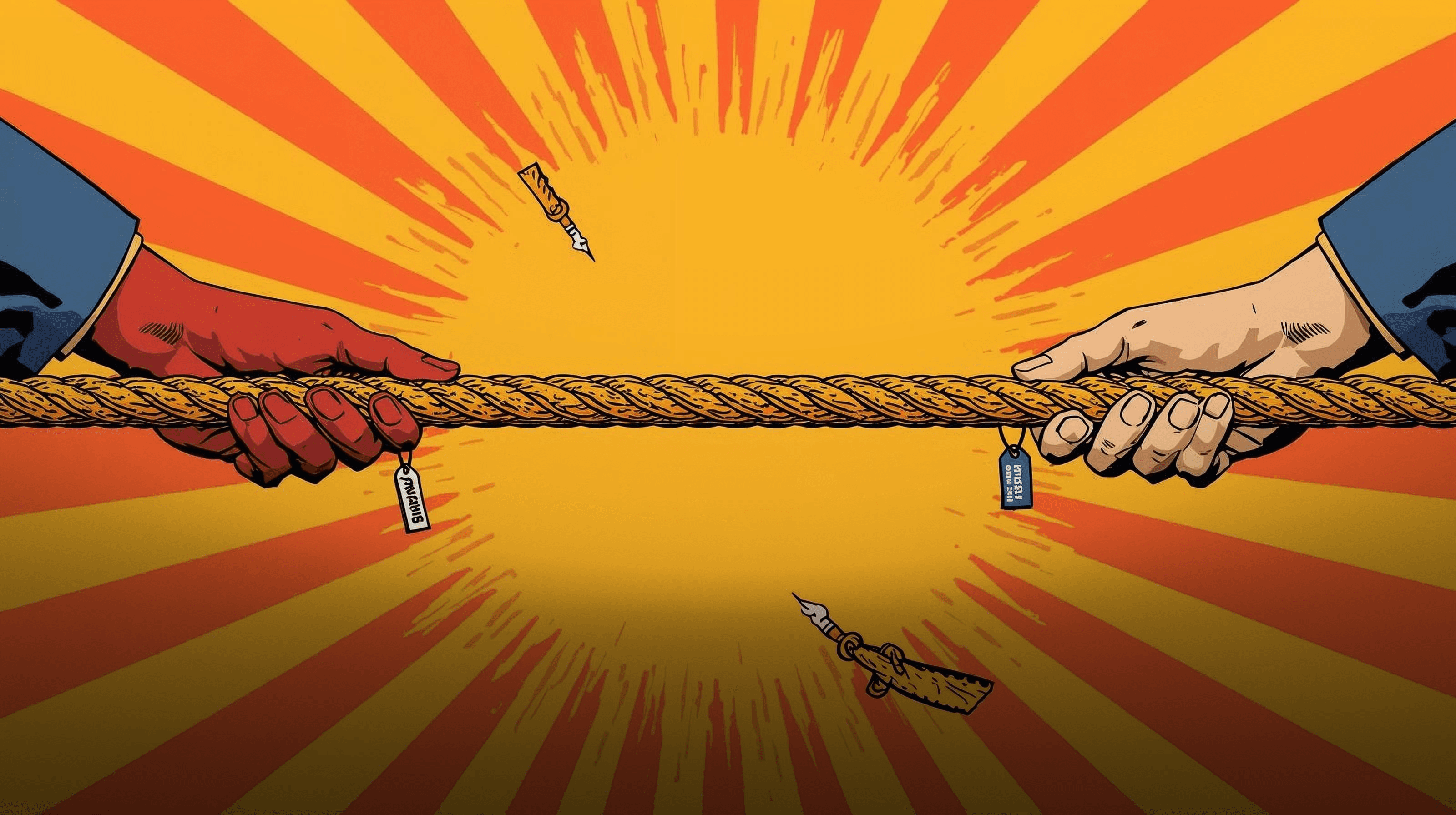
Committees are now the default decision unit
B2B buying has moved from single approvers to large, cross‑functional groups. On average, ~13 stakeholders participate and 89% of purchases involve two or more departments—yet 86% of purchases stall somewhere in the journey. In other words, the structure that spreads accountability also increases the odds of delay. Forrester, The State of Business Buying, 2024 [opentext.com]
These groups don’t just evaluate solutions. They protect the organization from downside. That’s why committees are common precisely when stakes are high and visibility is wide. Sellers who treat them as a “formality” misread the purpose of the process. Forrester, The State of Business Buying, 2024 [opentext.com]
Committees amplify conflict before they resolve it
Group reviews surface latent disagreements that 1:1 conversations conceal. As the buying motion crosses about ten interaction channels, more voices enter, more documentation circulates, and more scrutiny appears. Over half of buyers say they’re likely to switch suppliers if the cross‑channel experience is poor, which raises the bar for internal clarity and defensibility before anyone will commit. McKinsey B2B Pulse 2024 [marketingscoop.com]
The slowdown you feel after “forming the committee” is rarely bureaucracy for its own sake. It’s the organization processing real tradeoffs in the open—and deciding whether it can defend the choice under audit later. Forrester 2024 [opentext.com]
Committees manage disagreement; they don’t create instant consensus
Seasoned sellers know committees are built for legitimacy more than speed. They let dissent be voiced safely, balance politics across functions, and create a record that stands up to later scrutiny. Treating delay as a diagnostic signal—not an obstacle—keeps you focused on the real blockers inside the room. Forrester 2024 [opentext.com]
Late‑stage gates harden this dynamic. In software purchases, the CFO frequently has final decision power (79%) and Legal slows or blocks 61% of deals, while 57% of buyers expect ROI within three months. Those expectations force committees to privilege defensibility and fast payback over enthusiasm. G2, 2024 Buyer Behavior Report [databox.com]


The three conflicts committees surface
Goal conflict. Ops optimizes for reliability; Finance for predictability; Security for control. All valid, not always compatible. The committee exists to expose and arbitrate those tensions. Forrester 2024 [opentext.com]
Risk conflict. Tolerance differs by function. Finance and Legal must protect the downside (e.g., ≤90‑day ROI, liability limits), which often clashes with aggressive growth cases. G2 2024 [databox.com]
Authority conflict. Ambiguous decision rights trigger slow motion. Committees are often assembled because authority is fuzzy, not despite it. Forrester 2024 [opentext.com]
Process signals that reveal internal conflict
Agenda drift. Topics that seemed “closed” re‑open or scope expands. That’s classic goal conflict resurfacing. Forrester 2024 [opentext.com]
Ratcheting evidence thresholds. New requests for analysis, benchmarks, or pilots point to risk conflict—stakeholders want protection more than information. In stacks where only ~28% of apps are connected and 81% cite data silos, extra integration proof is rational. Salesforce/MuleSoft 2024 [bls.gov]
Stakeholder churn. Late arrivals with basic questions flag authority conflict or poor internal socialization—expect re‑baselining. Forrester 2024 [opentext.com]
Procedural language takeover. Talk shifts from outcomes to governance and compliance. That means the group is managing disagreement indirectly while protecting legitimacy. Forrester 2024 [opentext.com]
Why sellers misread the signs
Activity stays high—recurring meetings, new document requests—so the deal looks alive. But committees rarely voice objections starkly; they slow the tempo while they reconcile conflicts. Responding with more content and urgency can add noise without reducing tension. Forrester 2024 [opentext.com]
How elite sellers diagnose and intervene
Diagnose the why, not just the what. Note which issues recur and who raises them. Are requests seeking clarity—or protection? Map conflicts to goals, risk, or authority. Then facilitate the tradeoff explicitly:
“Here’s where Ops and Finance diverge; would a phased rollout with ≤90‑day milestones address both?” (CFOs expect quick payback.) G2 2024 [databox.com]
“Given integration realities (silos, low connectivity), let’s pilot the riskiest interface with clear exit criteria and audit‑ready logs.” Salesforce/MuleSoft 2024 [bls.gov]
Reframe your role from promoter to facilitator of a defensible decision. Provide travel‑ready summaries that survive the ten‑channel journey: an exec one‑pager, a finance memo with ranges/sensitivities, and a governance appendix (data flows, RBAC, logging). McKinsey 2024 [marketingscoop.com]
Actionable takeaways
Expect slower tempo once a committee forms; interpret it as disagreement processing, not lost interest. Forrester 2024 [opentext.com]
Read agenda drift, rising evidence bars, stakeholder churn, and procedural tone as conflict indicators—then name the tradeoff. [bls.gov], [opentext.com]
Offer phaseable paths (pilots, staged rollouts, ≤90‑day milestones) that let competing priorities coexist. [databox.com]
Package a defensible case that travels cleanly across ten channels to reduce message decay and churn. [marketingscoop.com]
Final insight: Committees slow deals because they are supposed to when disagreements matter. Sellers who read the signals and facilitate resolution turn “slow” into safe—and safe decisions close. [opentext.com]