Solution Focus
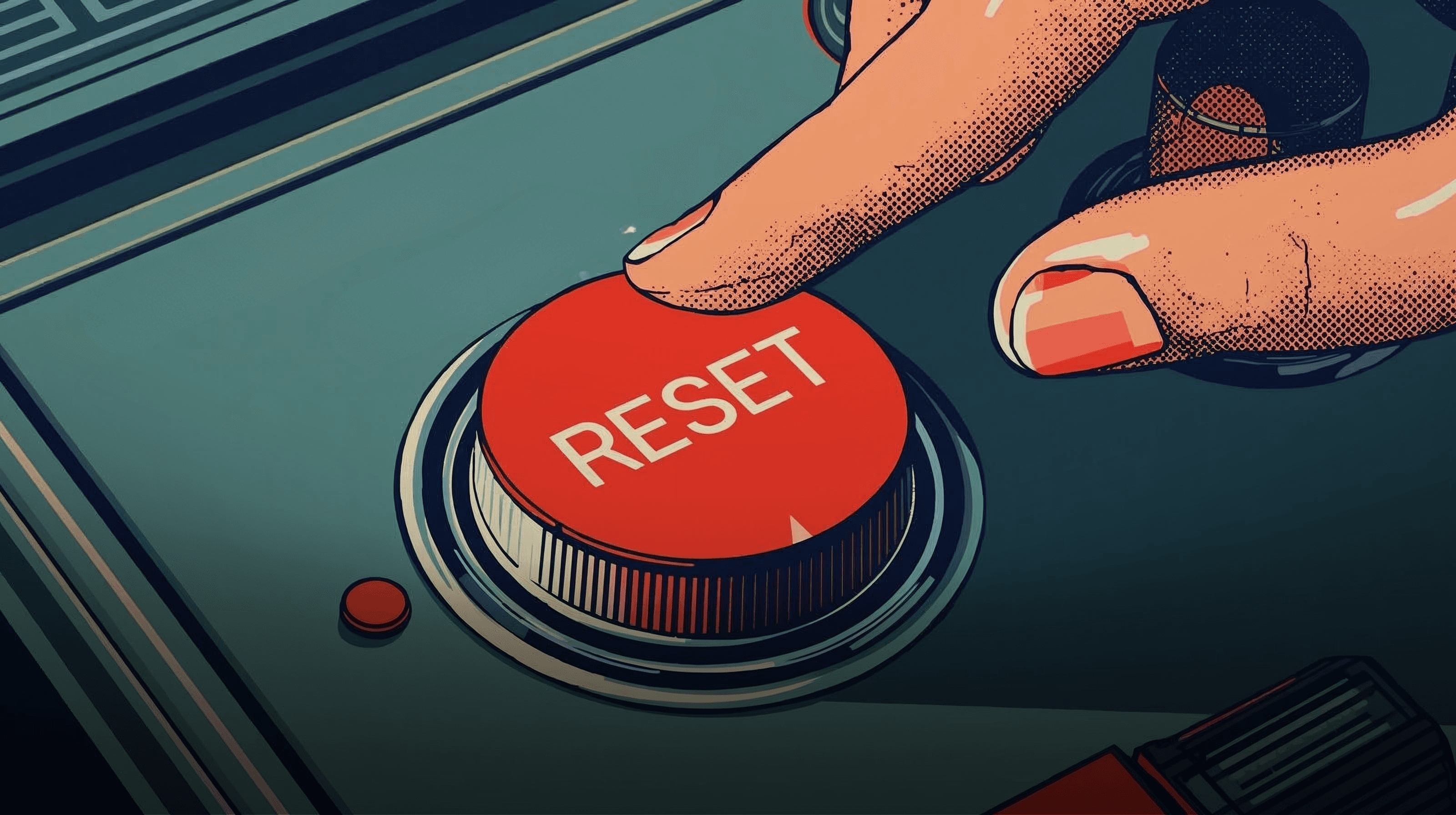
Why difficult conversations hijack cognition, how emotional residue distorts problem‑solving, and what disciplined sellers do to regain clarity without denial
Sales conversations are becoming more emotionally asymmetric
Modern B2B selling layers pressure on both sides of the table. Buying groups are larger and harder to coordinate, with the average complex deal now involving ~8.2 stakeholders, up from 6.8, which increases the chance that at least one voice will be skeptical or adversarial on any given call (and that even “neutral” comments land as threats under pressure). Source
Meanwhile, 86% of B2B purchases stall somewhere in the process, and 81% of buyers report dissatisfaction with their final provider—a backdrop that naturally produces tense, stop‑start conversations and surprise objections (especially late‑stage) (Forrester 2024). Source [utdallas.edu] [spotio.com]
In this environment, “brutal calls” are not statistical outliers. They are a predictable feature of complex selling. What separates high performers is fast cognitive recovery, not avoidance.
Emotional residue kills problem‑solving speed
A tough call does not end at the calendar boundary. Residual emotion lingers, occupying working memory and biasing interpretation. Neuroscience explains why: even mild, uncontrollable stress rapidly impairs the prefrontal cortex, the network that supports working memory, flexible attention, and top‑down control. Under stress, neural control shifts toward reflexive systems, degrading planning and cognitive flexibility. Nature Reviews Neuroscience; UT Dallas reprint of Arnsten [Goal-Setti...onal Forum] [decisionskills.com]
This is why sellers often replay the call, catastrophize next steps, and draft defensive follow‑ups: the brain is prioritizing threat processing over creative problem‑solving. Without an intentional reset, that residue contaminates the next conversation and compounds performance drag. Meta‑analytic evidence on recovery and detachment shows that when people fail to “switch off” after stressors, exhaustion rises and cognitive performance drops, while effective detachment lowers negative affect and reduces strain. Frontiers meta‑analysis; Journal of Business & Psychology meta‑analysis [en-coller.tau.ac.il] [docusign.com]
The fastest recovery is cognitive, not emotional
Counterintuitively, trying to “feel better” first is inefficient. Emotional normalization tends to follow cognitive re‑orientation. Research on psychological detachment repeatedly finds that structured cognitive boundaries—clear endpoints, reframing tasks, and shifting mental contexts—are what release emotional load, not the other way around. CDC/NIOSH review of the stressor‑detachment model; Journal of Business & Psychology meta‑analysis [hbr.org] [docusign.com]
Practically, the recovery goal is not to varnish the call as “good,” but to restore agency and accurate situational reasoning. That is the gateway back to solution thinking.
What actually breaks during a brutal call
Three internal systems usually get hit:
Control. The call deviates from plan; you feel acted upon.
Competence. You question your handling in real time or in hindsight.
Trajectory. You start forecasting deal, quarter, or reputation damage.
Each of these registers as personal threat, which the PFC interprets as a reason to conserve resources and narrow options, exactly when creativity is needed. Nature Reviews Neuroscience; UT Dallas reprint [Goal-Setti...onal Forum] [decisionskills.com]
Why immediate analysis often backfires
Jumping into a post‑mortem while still physiologically “hot” tends to become rumination, not learning. The more you replay, the more salient the threat, the tighter attention narrows. Studies on interruptions and stress show that pressured re‑engagement can increase stress, frustration, and time pressure, even when apparent throughput rises—an unhelpful state for strategic thinking. CHI paper on interrupted work [scispace.com]
High performers insert a short cognitive reset before analysis, so review becomes diagnostic instead of self‑punitive. Meta‑analytic work on recovery shows better outcomes when people create intentional mental boundaries before evaluating stressors. Frontiers meta‑analysis [en-coller.tau.ac.il]


Four‑step reset: Practical protocol for a solution mindset
Step 1: Re‑anchor to decision quality, not call tone
Start with a narrow, factual question: “Given what I knew then, were my choices reasonable?” This separates process quality from the emotional tone of the call. Decades of goal‑setting and performance research show that focusing on specific behaviors and standards (vs. vague outcomes) improves persistence and adaptive corrections. Goal‑setting theory overview [pnas.org]
A “yes” stabilizes belief even if the call was negative; a “no” enables learning without identity collapse.
Step 2: Name the constraint, not the emotion
Label the structural change revealed by the call: a new risk, a missing champion, a budget gate, a misaligned success metric. This aligns with recovery models that shift attention from affect to task‑relevant information, reducing strain while improving problem representation. CDC/NIOSH review; JBP meta‑analysis [hbr.org] [docusign.com]
Step 3: Reduce the surface area of the problem
Decide one smallest clarifying action that advances understanding or control. The Progress Principle shows that visible small wins are potent drivers of motivation and creative problem‑solving after setbacks. Harvard Business Review; HBS book page [wku.edu] [eric.ed.gov]
Step 4: Restore agency through explicit choice
Write four micro‑decisions: do next, not do, wait on, test. This counters learned helplessness and resets control in the PFC, which facilitates flexible planning after stress. Nature Reviews Neuroscience [Goal-Setti...onal Forum]
Why restraint often beats speed
The instinct is to act fast: send a long email, defend credibility, or force a follow‑up. But premature action typically embeds residue into the buyer relationship. Evidence on interruptions and context switching shows that haste under load raises error rates and stress and lengthens recovery to baseline focus. CHI interrupted work [scispace.com]
A short pause to run the four‑step reset increases the quality of the very next touch—often the real difference between re‑escalation and productive re‑engagement. Recovery literature also finds that brief, intentional detachment periods reduce exhaustion and improve subsequent task performance. Frontiers meta‑analysis [en-coller.tau.ac.il]
A brief illustrative example
A seller experiences a call where a new VP questions solution fit and slows the deal. The immediate urge is to rebut and forward a dense proof pack. Instead, the seller runs the reset:
Confirms that earlier scoping choices were reasonable with available facts (decision quality). [pnas.org]
Labels the new constraint: risk ownership has shifted to the VP’s team; criteria changed from feature fit to downside containment. [spotio.com]
Chooses the smallest clarifying action: one question to identify the VP’s “no‑go” risk threshold. [wku.edu]
Makes four choices: do = ask threshold; not do = long defense; wait = pricing talk; test = a 15‑minute risk‑mapping with security lead. [Goal-Setti...onal Forum]
The follow‑up reframes around risk ownership, not features. Momentum returns.
Implications for sales leadership
Recovery speed after difficult calls is a force multiplier. Two leadership practices stand out:
Coach cognitive recovery before tactical review. Provide a 10‑minute team ritual that mirrors the four‑step reset. This keeps post‑call conversations structural, not personal, which accelerates return to problem‑solving. Recovery science supports creating mental boundaries before analysis to reduce rumination. CDC/NIOSH review; JBP meta [hbr.org] [docusign.com]
Shield capacity so residue doesn’t cascade. Many sales orgs report that reps spend only ~28–30% of time actually selling, with the remainder consumed by admin and internal demands. Reducing needless internal churn after brutal calls preserves cognitive bandwidth for recovery and re‑engagement. Salesforce State of Sales; ZDNet 2024 summary [researchgate.net] [isonderhouden.nl]
Actionable takeaways
For sellers
Separate call tone from decision quality before you diagnose. [pnas.org]
Label constraints revealed by the call; avoid affect‑first reviews. [hbr.org]
Shrink the problem to a single clarifying action and pursue a small win. [wku.edu]
Reassert agency with four micro‑choices: do, not do, wait, test. [Goal-Setti...onal Forum]
Pause before outreach; let residue dissipate to improve message quality. [scispace.com]
For leaders
Normalize “brutal calls” in complex buying and train a cognitive reset routine. [spotio.com]
In post‑call reviews, start with process quality and constraints, not blame. [pnas.org]
Protect focus time after high‑stress calls to reduce error‑prone haste. [scispace.com]
Trim internal load so sellers can recover and re‑engage with buyers faster. [researchgate.net]
Final insight
A brutal call does not undermine performance by itself—the aftermath does. When emotion lingers unchecked, it hijacks the prefrontal systems you need for creative problem‑solving. When you restore cognition deliberately—anchoring to decision quality, naming constraints, narrowing the next move, and reasserting choice—the same call becomes actionable data. Nature Reviews Neuroscience; Frontiers meta‑analysis [Goal-Setti...onal Forum] [en-coller.tau.ac.il]
The solution mindset is not denial or optimism. It is control restored. In complex sales, resilience is measured by how fast thinking comes back online after impact.